How to Prepare for a Portrait Photoshoot: 8 Tips for Natural, Confident Photos
Getting ready for portraits? Learn what to wear, how to prepare, and how to feel comfortable in front of the camera for photos that look and feel like you.
Wondering how to prepare for a portrait photoshoot? You don’t need a closet full of new clothes or a list of practiced poses. A little preparation helps you arrive feeling comfortable, confident, and ready to enjoy the experience.
Whether you’re celebrating a milestone, updating your personal portraits, creating images for your brand, or gathering your family for photographs, these eight tips will help you focus on what matters: looking and feeling like yourself.
1. Think about how you want your photographs to feel
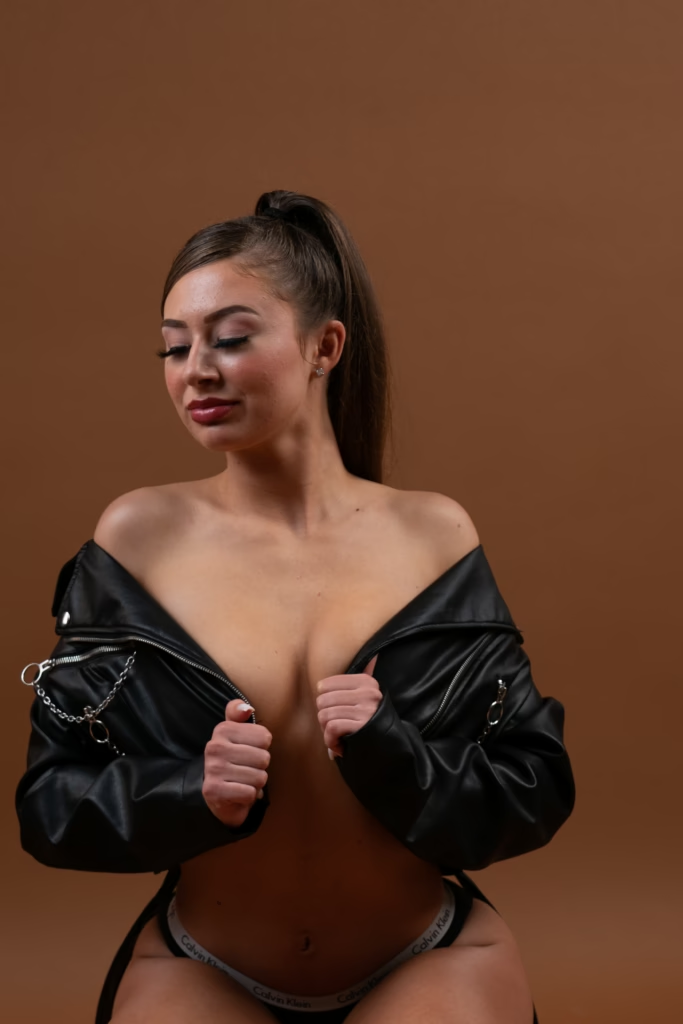
Before choosing an outfit or a location, consider the mood you want to remember. Do you picture something polished and editorial, relaxed and playful, warm and intimate, or bold and expressive?
Share a few inspiration images with your photographer, along with where you hope to use the photographs. Images for your living room may call for a different approach than a professional profile or a birthday announcement. References are a starting point for a conversation, not a checklist of poses you need to copy.
2. Wear something that feels like you
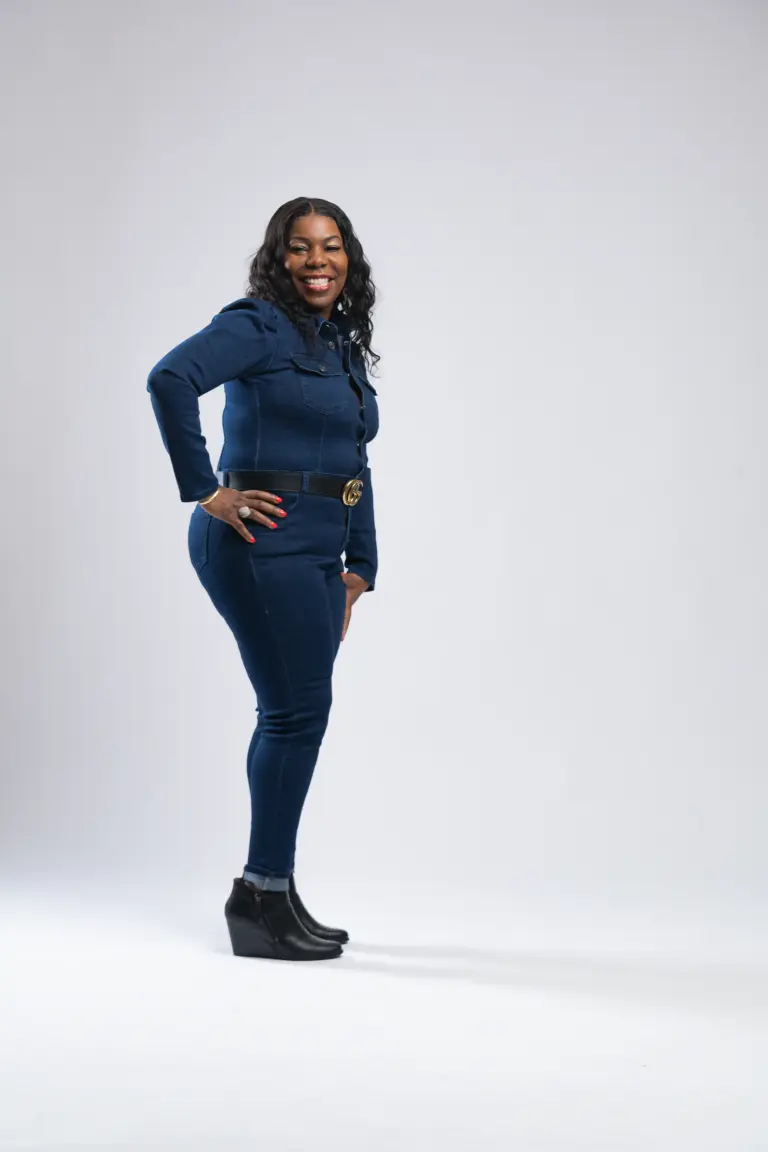
Great portrait outfits don’t have to be expensive or complicated. Start with clothes that fit well, let you move comfortably, and make you feel good. Solid colors, thoughtful textures, and simple layers can photograph beautifully, but your own personality should guide the choices.
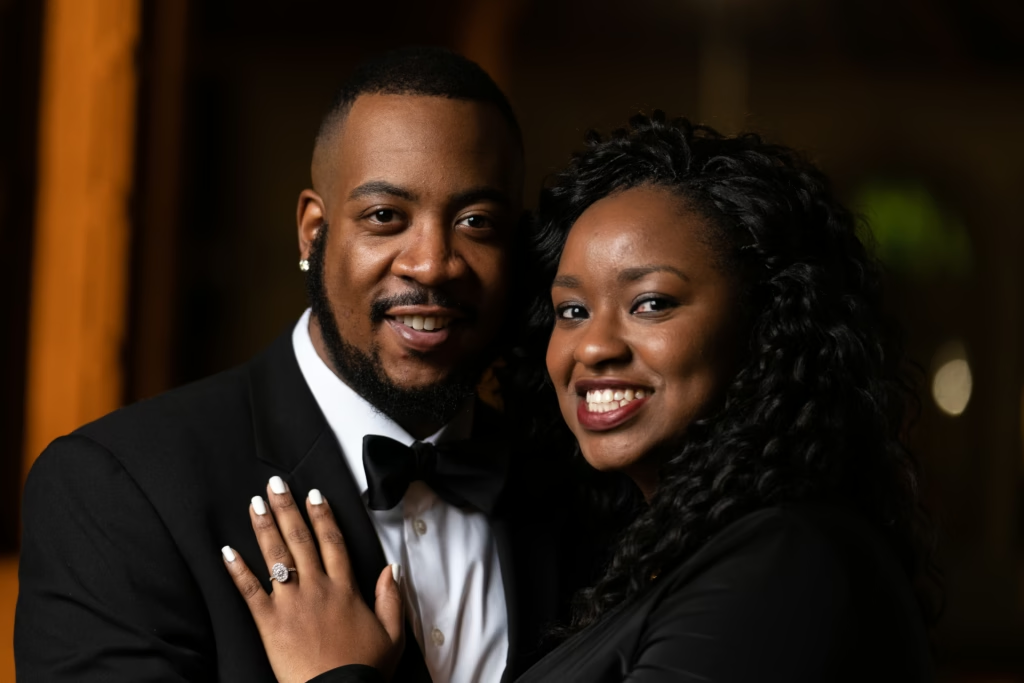
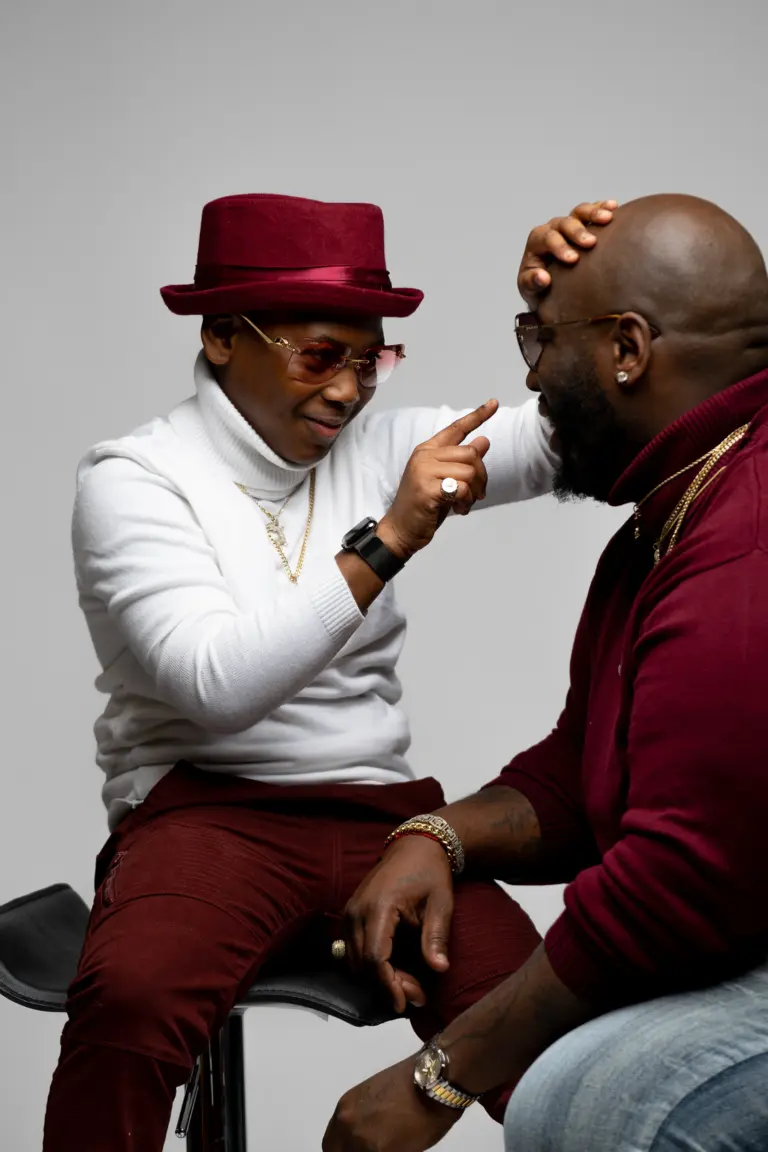
If you’re coordinating outfits with a partner or family, choose a complementary color palette instead of making everyone wear exactly the same thing. Consider how the colors and fabrics will look together when you’re standing close, sitting, or moving.
- Try on your complete outfit, including shoes and accessories, a few days early.
- Check for wrinkles, distracting logos, and pieces that need constant adjusting.
- Bring a second option only if the length and plan for your session allow an outfit change.
- Choose comfort over a trend that doesn’t feel natural to you.
3. Prepare the small details ahead of time
The day before your shoot is a good time to lay out your clothes, clean your shoes or glasses, organize jewelry, and pack anything you want to bring. If you’re planning hair, makeup, or grooming, leave enough time for the result to feel familiar and comfortable. A portrait session is rarely the best moment to experiment with a completely new look.
Rest and hydration can help you feel more at ease, but don’t worry if real life gets in the way. You do not need to arrive looking perfect. Thoughtful lighting, guidance, and a relaxed experience matter far more.
4. Let the location and lighting support the story
Studio portraits offer controlled lighting and a clean backdrop. Outdoor sessions can make room for movement, scenery, and places that are personally meaningful. Neither is automatically better. The right setting depends on the look you love, the people involved, and how you want to use your photographs.
Talk with your photographer about timing, weather, travel, mobility or accessibility needs, and any locations that require permission. Planning those details early can make the session itself feel effortless.
5. Don’t worry about knowing how to pose
One of the most common concerns before a portrait session is, “I don’t know what to do in front of the camera.” You don’t have to. A photographer should help you find flattering angles, guide your hands and posture, and offer simple prompts when you need them.
Some of the most natural photographs happen between formal poses: a quick laugh, a glance toward someone you love, or a moment when your shoulders finally relax. Allow yourself to move, breathe, and enjoy the interaction. It’s a conversation, not a performance.
6. Photograph connection, especially with family
For family portraits, plan around the people rather than chasing a perfectly behaved moment. Comfortable outfits, snacks or breaks for children when appropriate, and a little extra time can make a big difference. Let kids warm up to the space instead of asking for a perfect smile immediately.
Holding hands, leaning close, sharing a joke, or helping a child with a favorite accessory can tell a richer story than everyone standing completely still.
7. Give yourself room to arrive and settle in
Aim to leave a little breathing room before your scheduled start. That might mean accounting for traffic, parking, changing clothes, or helping family members get comfortable. A few unhurried minutes are often more useful than squeezing in one more outfit or accessory.
If you’re nervous, say so. If you have a favorite side, an idea you’ve been excited about, or a particular concern, share it. Clear communication helps your photographer shape the experience around you.
8. Ask what happens after the session
Before your shoot, make sure you understand what your booking includes: image selection, the number of finished photographs, editing, delivery, and any options for additional images. Those details should follow your individual proposal or agreement rather than assumptions from another type of session.
Finished photographs are carefully selected and prepared for sharing, printing, or professional use. If you’re curious about why photographers don’t generally deliver every camera file, read our guide to RAW and unedited photographs.
Your simple portrait photoshoot checklist
- Decide on the feeling and purpose of the photographs.
- Confirm your date, location, and session details.
- Try on your outfit, shoes, and accessories ahead of time.
- Prepare any meaningful personal items you want to include.
- Leave time for travel and a relaxed arrival.
- Bring your ideas, then allow room for unexpected moments.
Common questions before a portrait session
What colors should I wear for portrait photography?
There isn’t one perfect palette. Choose colors that complement your skin tone, the setting, and the way you want the images to feel. Neutral tones can be timeless, while vibrant colors can bring personality. What matters most is that the outfit feels like yours.
What if I feel awkward in front of the camera?
That’s completely normal. You won’t need to arrive knowing a set of poses. Tell your photographer how you’re feeling, and focus on simple movement and interaction rather than trying to hold a perfect expression.
Should I bring props to my photoshoot?
Only if they add meaning. A favorite jacket, a musical instrument, a book, or a small family keepsake can make a portrait feel personal. Keep it intentional so the photograph remains about you.
Let’s create something that feels like you
True Essence Photography is based in Greenville, North Carolina, and available for portrait sessions and creative projects nationwide. Our goal is to make space for genuine expressions and photographs that still feel meaningful years later.
Explore our portrait photography experience or tell us what you’re envisioning. We’ll help you plan the next step.